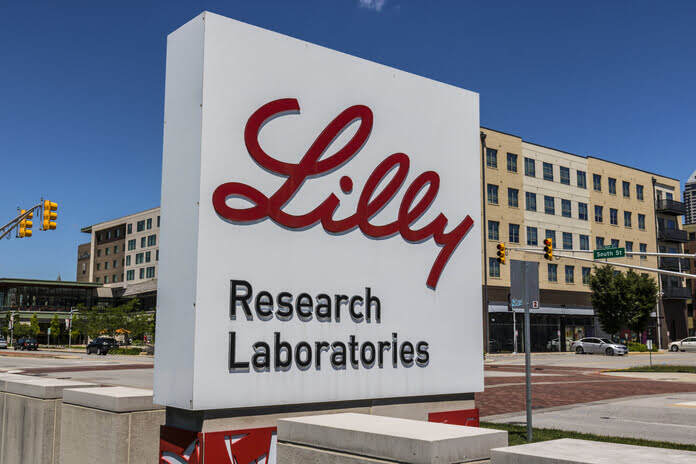
Eli Lilly stock (NASDAQ:LLY) continues to ride a wave of momentum as demand for obesity and diabetes treatments skyrockets. The Indianapolis-based drugmaker reported third-quarter sales of $17.6 billion, fueled largely by its top-selling therapies Mounjaro and Zepbound. Together, these two treatments contributed over $10 billion, accounting for more than half of the company’s quarterly revenue.
The market for GLP-1 receptor agonists—drugs that mimic gut and brain hormones to regulate appetite—is driving not only Lilly’s revenue but also intense acquisition interest in the sector. These medications have become a focal point for investors watching the obesity and diabetes treatment boom.
Profits and Market Impact
Eli Lilly benefitted handsomely from the drug sales, posting a $5.58 billion profit in Q3, exceeding Wall Street expectations. The diabetes treatment Mounjaro, available longer than Zepbound, saw revenue double to $6.52 billion, thanks to strong international growth. Meanwhile, U.S. sales of Zepbound nearly tripled to $3.57 billion.
Cumulatively, the two treatments have generated nearly $25 billion in sales so far this year, surpassing Eli Lilly’s total revenue from 2020. This surge highlights the company’s dominance in the obesity and diabetes market and underlines the potential for continued growth in Eli Lilly (NASDAQ:LLY).
Competitive Bidding War Intensifies
The booming market has attracted competitors. Danish pharmaceutical giant Novo Nordisk (NASDAQ:NVO) announced plans to acquire Metsera Inc. in a deal potentially worth $9 billion, more than double the company’s previous valuation. The deal comes shortly after Pfizer Inc. (NYSE:PFE) offered nearly $5 billion for the same company.
Metsera has no marketed drugs yet but is developing several potential oral and injectable obesity and diabetes therapies. Novo Nordisk intends to pay $56.50 per share in cash, with an additional $21.25 contingent on drug development milestones, totaling $77.75 per share—far above pre-bid trading levels. Novo Nordisk already markets popular treatments Wegovy and Ozempic, strengthening its position in this high-growth segment.
GLP-1 Treatments Drive Sales
The rise in Eli Lilly stock (NASDAQ:LLY) is a reflection of the broader GLP-1 receptor agonist market. These drugs regulate appetite and promote fullness but are not universally effective and can cause side effects such as nausea and stomach pain. Improved supplies and growing insurance coverage have increased access, but the treatments can still cost around $500 per month without coverage, limiting availability for some patients.
What This Means for Eli Lilly Stock
Investors following Eli Lilly Stock (NASDAQ:LLY) should note the company’s robust sales growth and rising profits driven by obesity and diabetes treatments. The combination of Mounjaro and Zepbound is generating revenues on par with the company’s entire earnings from previous years, highlighting strong momentum for Q4 and beyond.
The sector’s competitive activity, including the bidding war over Metsera, underscores the strategic value of GLP-1 treatments and signals continued investor interest in companies dominating this market. With Novo Nordisk and Pfizer competing for potential breakthrough therapies, Eli Lilly’s current offerings may maintain its market leadership and solidify its revenue base, benefiting stockholders.
Bottom Line
Eli Lilly stock (NASDAQ:LLY) has emerged as a key beneficiary of the booming obesity and diabetes treatment sector. The strong performance of Mounjaro and Zepbound, coupled with market-wide attention to GLP-1 receptor agonists, positions the company for sustained revenue growth and shareholder value. For investors seeking exposure to high-demand pharmaceutical innovations, Eli Lilly stock remains an attractive consideration in 2025 and beyond.
Featured Image: Megapiixl
 Author Stephanie Bédard-Châteauneuf