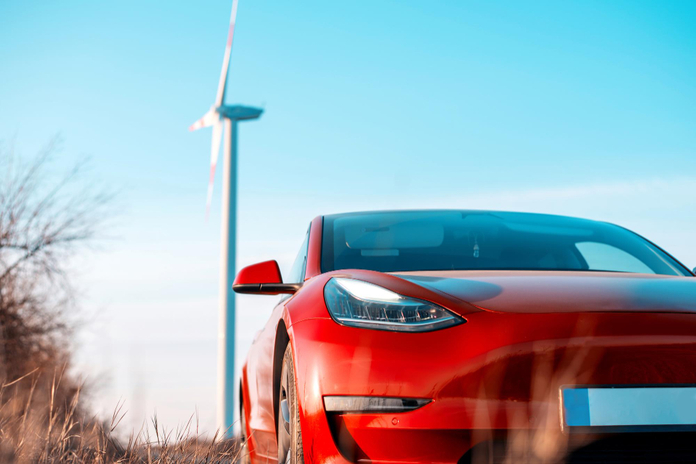
Tesla (NASDAQ:TSLA) is back in the spotlight after reports revealed the company’s much-anticipated launch in India has fallen short of expectations. According to Bloomberg, Tesla has received orders for only 600 vehicles since entering Asia’s third-largest economy in mid-July. This muted demand is concerning for TSLA stock, which is already grappling with slowing sales worldwide.
Shares of Tesla have dropped more than 20% from their January highs, disappointing investors who had hoped for a rebound in 2025. The lackluster India debut adds to the challenges facing Elon Musk’s company at a critical time.
Why India Matters for TSLA Stock
India was expected to be a key growth market for Tesla. With a population of over 1.4 billion and a rapidly expanding middle class, the country represents a massive long-term opportunity for electric vehicle (EV) adoption. However, the early results suggest Tesla is struggling to gain traction.
Price sensitivity remains one of the biggest hurdles. Tesla vehicles are significantly more expensive than many local and international competitors. While Indian consumers are increasingly open to EVs, they may prefer budget-friendly options from domestic automakers and Chinese rivals.
For TSLA stock, this weak performance raises concerns that Tesla may face greater difficulty entering other emerging markets where affordability is crucial.
Sales Declines in Europe Add Pressure
India isn’t Tesla’s only problem. According to the European Automobile Manufacturers Association (ACEA), Tesla’s July sales in Europe dropped 40% year-over-year. This steep decline highlights the intense competition the company faces in developed markets, where rivals are quickly expanding their battery-electric vehicle (BEV) lineups.
Wall Street analysts are noting that Tesla is losing market share globally. Bank of America’s John Murphy recently stated that Tesla’s reliance on China for battery supply could also expose TSLA stock to heightened risks from tariffs and trade disputes.
The AI and Robotaxi Bet
Despite these headwinds, Tesla continues to pin its long-term hopes on artificial intelligence (AI) initiatives. The company believes its upcoming robotaxi service could eventually transform the business model, reducing reliance on vehicle sales.
However, these initiatives remain speculative and years away from generating meaningful revenue. Investors focused on near-term performance may find little comfort in promises of future disruption while current sales continue to decline.
Analyst Views on TSLA Stock
Wall Street remains divided on Tesla’s outlook. Bank of America maintains a “Neutral” rating with a $341 price target on TSLA stock, a level that implies limited upside from today’s price. While this view is relatively constructive, it still reflects caution.
The broader consensus on TSLA stock is also lukewarm. Most analysts rate the shares as a “Hold,” with an average price target around $300. That figure suggests potential downside of about 10% from current levels.
Is TSLA Stock a Buy Now?
For long-term investors, the question is whether Tesla’s recent struggles are temporary or a sign of deeper issues. The weak India launch, sharp European sales decline, and rising competition all pose challenges that could weigh on TSLA stock for the foreseeable future.
On the other hand, Tesla still holds a strong global brand, significant technological expertise, and ambitious plans in AI and autonomous driving. If the company can execute on its next-generation growth drivers, today’s weakness could prove to be a buying opportunity.
For now, however, the cautious stance from analysts and disappointing demand trends suggest that investors may want to wait for clearer signs of momentum before adding to their positions in TSLA stock.
Featured Image: Freepik
 Author Stephanie Bédard-Châteauneuf